Why Defense Contractors Are Building Their Own Silicon
 R. Kessler
Raytheon just announced a $2.3 billion fab expansion. Lockheed Martin is hiring chip designers faster than Nvidia. BAE Systems has been quietly building custom processors for three years.
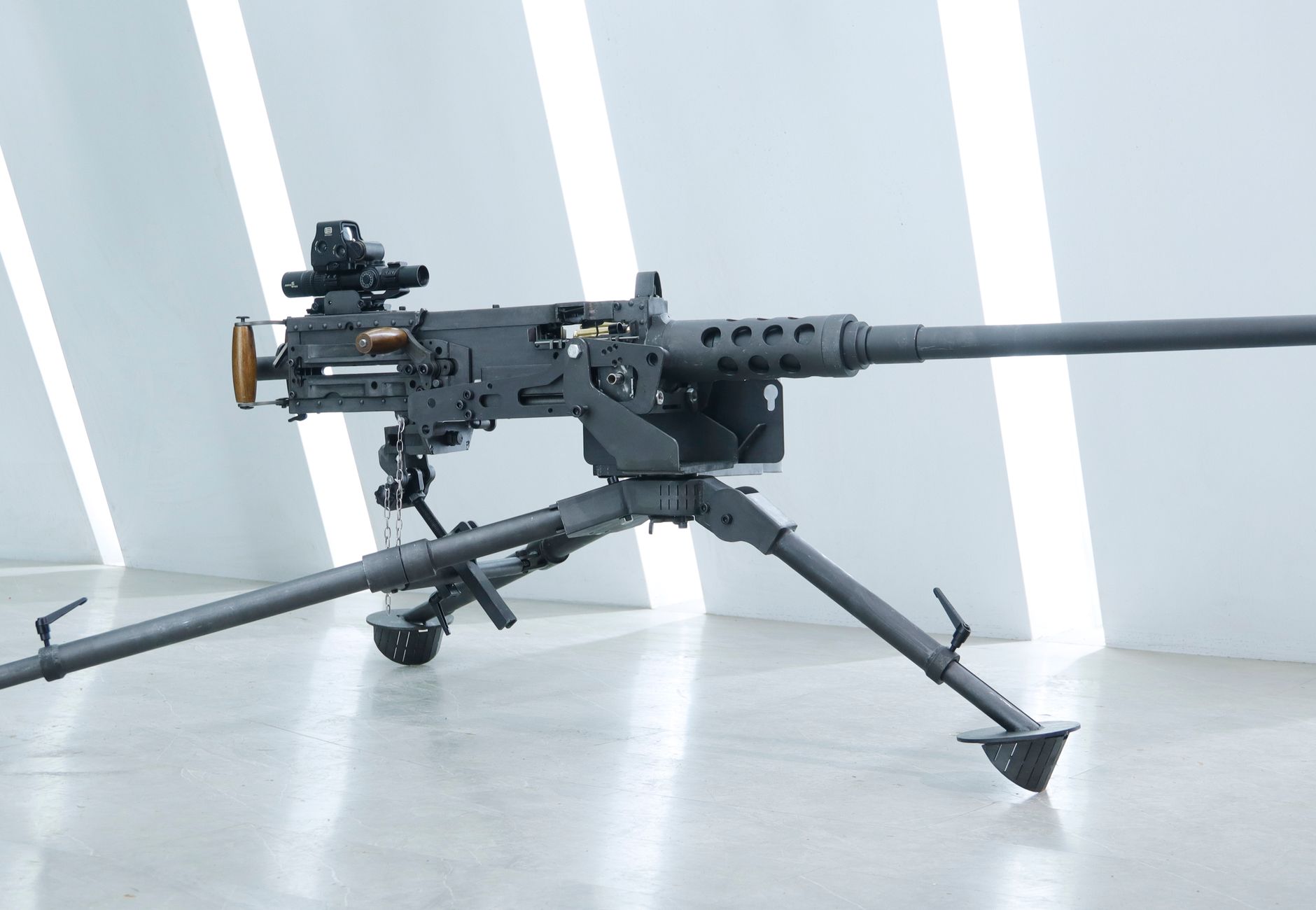 Photo by Abusaiya CLUVENS on Pexels.
What's happening? Defense contractors are done waiting for Silicon Valley to build what they need. They're making their own chips.
This isn't about cutting costs or improving performance, though both matter. It's about control.
The Commercial Chip Problem
Commercial processors optimize for the wrong things when you're building a missile guidance system. Intel's latest CPU prioritizes video streaming and web browsing; a Patriot battery needs radiation hardening and deterministic timing. TSMC's bleeding-edge process nodes get you better graphics performance, but they fail when exposed to electromagnetic pulses.
Then there's the China problem. Taiwan produces 92% of advanced semiconductors. If Beijing moves on Taipei, every F-35 production line stops within months. The Pentagon has run this scenario dozens of times. The answer is always the same: build chips at home.
But home means more than geography. It means owning the entire stack.
graph TD
    A[Defense Requirements] --> B{Commercial Chips Adequate?}
    B -->|No| C[Custom Silicon Design]
    B -->|Yes| D[Supply Chain Risk Assessment]
    D --> E{Geopolitical Risk Acceptable?}
    E -->|No| C
    E -->|Yes| F[Commercial Procurement]
    C --> G[Domestic Fab]
    G --> H[Secure Supply Chain]
Beyond ITAR Compliance
Defense silicon isn't just hardened commercial designs. These chips solve problems that don't exist in civilian markets.
Take BAE's custom signal processing units. They handle encrypted communications while simultaneously running electronic warfare algorithms and managing sensor fusion, all with timing guarantees measured in nanoseconds. No amount of optimization can make a general-purpose processor do this reliably.
Or consider the new generation of hypersonic guidance chips. They process inertial navigation data, communicate with satellites, and adjust flight paths while experiencing 20+ Gs of acceleration and temperatures exceeding 1,000°C. Commercial automotive chips, supposedly the most rugged civilian semiconductors, would liquify.
The performance requirements are just table stakes. The real differentiator is trust.
The Trust Problem
Every commercial processor is a black box packed with third-party IP blocks, manufactured in foreign fabs, assembled by contract manufacturers across multiple countries. The supply chain includes dozens of companies in adversarial nations.
Defense contractors need to know exactly what's inside their chips. Not just the high-level design, but every transistor, every metal layer, every piece of firmware. They need reproducible builds and formal verification. They need to trace every component back to the mine that produced the raw materials.
This level of transparency is impossible with commercial parts. It requires vertical integration that only exists in defense contexts.
Building the New Stack
The emerging defense semiconductor industry looks nothing like its commercial counterpart. Instead of giant fabs optimizing for maximum throughput, you see smaller facilities focused on specific applications. Instead of cutting-edge process nodes, you see mature technologies optimized for reliability and security.
Companies like Microsemi (now part of Microchip) have proven the model works. Their radiation-hardened FPGAs power everything from GPS satellites to Mars rovers. The volumes are tiny by commercial standards, thousands of units, not millions, but the margins support the specialized tooling and processes required.
Now traditional defense contractors are scaling this approach. They're building design teams, acquiring specialized fabs, and creating entirely parallel supply chains. The goal isn't to compete with Intel or AMD in consumer markets. It's to eliminate dependence on them entirely.
What This Means
We're watching the semiconductor industry bifurcate. Commercial chips will continue pushing performance boundaries for civilian applications. Defense chips will optimize for resilience, security, and supply chain independence.
This split creates opportunities. Small companies with specialized expertise can serve defense markets that big semiconductor companies ignore. Universities can contribute research that has immediate applications in national security contexts.
It also creates challenges. The defense semiconductor ecosystem needs talent that understands both chip design and national security requirements. It needs manufacturing capacity that can scale with defense budgets rather than consumer demand cycles.
Most importantly, it needs time. Building a parallel semiconductor industry takes decades, not years. But with tensions rising across the Pacific, that timeline just got compressed.
The question isn't whether defense contractors will build their own silicon. They already are. The question is whether they can do it fast enough.
Get Bits Atoms Brains in your inbox
New posts delivered directly. No spam.
No spam. Unsubscribe anytime.