Dual-Use Is the Default Now
 R. Kessler
The distinction between civilian and military technology used to be obvious. Tanks were military. Toasters were civilian. That framework is dead, and clinging to it creates real strategic risk.
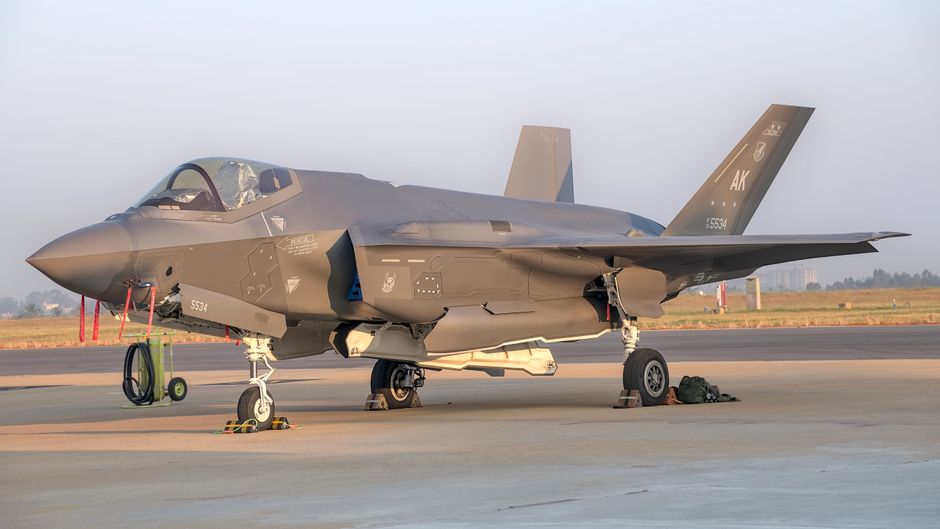
Consider the stack that modern military operations depend on. Commercial satellite constellations for communications and ISR. Cloud infrastructure from hyperscalers running classified workloads through special regions. Off-the-shelf drones modified with munitions. Open-source AI models fine-tuned for targeting. LLMs processing intelligence reports. Every layer of the modern kill chain touches commercial technology that was built for civilian markets.
graph LR
    Civil[Civil / Commercial R&D] -->|"Drones, AI, Cloud, Satellites"| Dual[Dual-Use Technology]
    Military[Military / Defense R&D] -->|"Autonomy, Comms, Sensors"| Dual
    Dual -->|Adapted for battlefield| Military
    Dual -->|Spins out to market| Civil
This is not a bug. It is the natural result of commercial R&D outspending defense R&D by an order of magnitude. The DoD spends roughly $140 billion annually on R&D. Apple, Google, Microsoft, Amazon, and Meta collectively spend more than that. The cutting edge has moved to the commercial sector, and it is not moving back.
The policy implications are uncomfortable. Export controls designed around clearly military items struggle with technologies that are simultaneously powering TikTok filters and battlefield autonomy. ITAR was built for a world where the U.S. had a monopoly on advanced technology and could gate access at the border. That world does not exist anymore. Advanced chips, AI frameworks, and drone components are globally distributed.
Ukraine demonstrated this conclusively. Commercial drones from DJI, modified with 3D-printed fin assemblies and repurposed munitions, became the dominant weapon system in certain phases of the conflict. Starlink provided battlefield communications that no purpose-built military system could have deployed at that speed or scale. The most effective military technologies were commercial products adapted under fire.
For startups, this means the addressable market is larger than defense alone but the compliance burden is real. Building for both markets requires understanding ITAR, EAR, CMMC, and a dozen other acronyms that most founders ignore until they get a letter from DDTC. The companies that navigate this well build once and sell twice. The companies that do not either stay small in defense or stay naive in commercial.
The strategic question for the U.S. is whether the national security apparatus can absorb commercial technology at the speed it evolves. Right now, the acquisition system is optimized for programs of record that take a decade. The technology cycles that matter are measured in months. Closing that gap is not a procurement reform problem. It is a survival problem.
Get Bits Atoms Brains in your inbox
New posts delivered directly. No spam.
No spam. Unsubscribe anytime.