The Directed Energy Weapons Problem Is Actually a Power Electronics Problem
 R. Kessler
Directed energy weapons have been "almost ready" for about thirty years. The laser physics got solved. Beam quality improved. Atmospheric compensation matured. Yet fielded systems remain rare, expensive, and operationally fragile. The reason has almost nothing to do with the emitter.
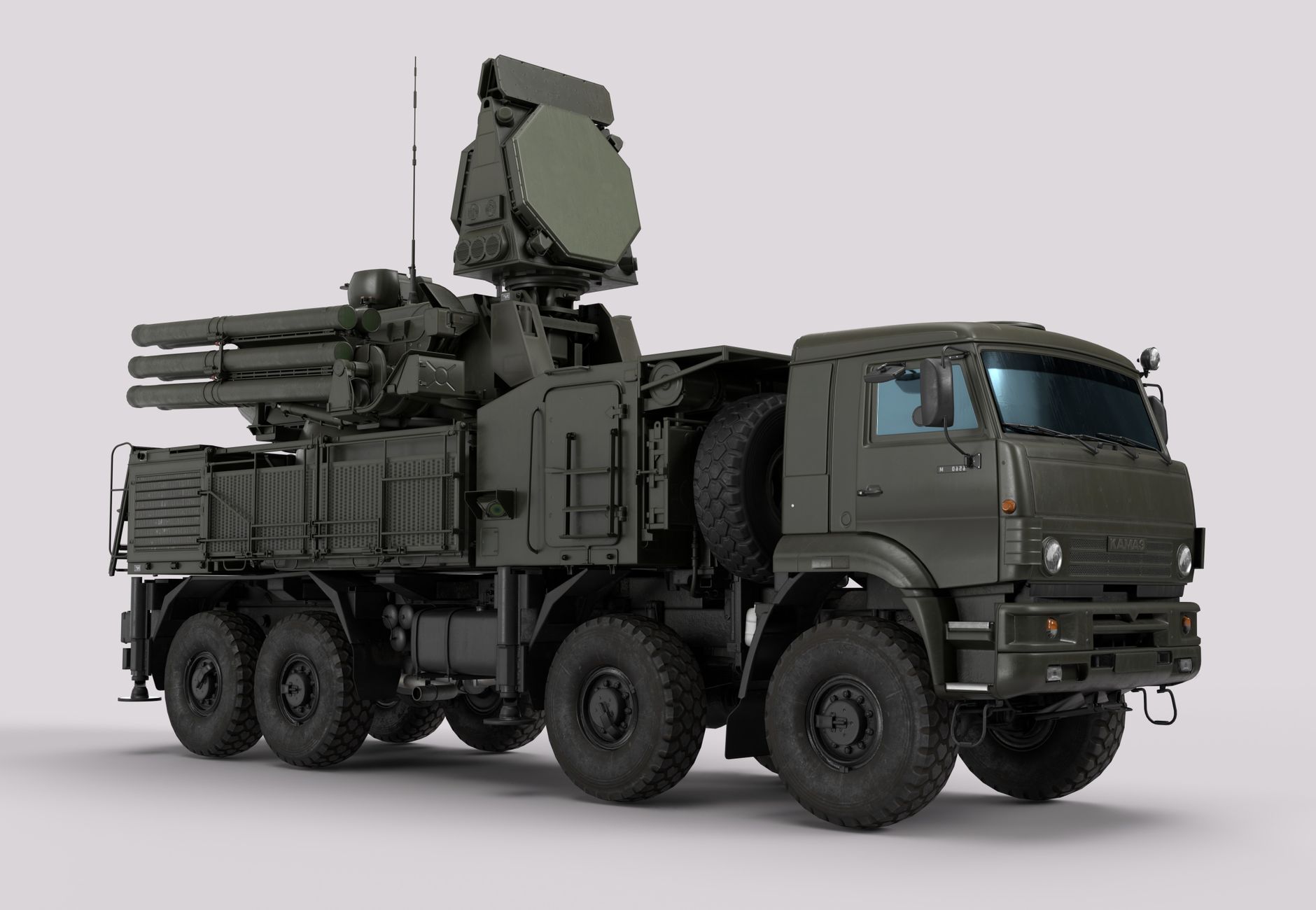 Photo by Sergey Koznov on Pexels.
The actual problem sits three layers deeper in the hardware stack: power generation, energy storage, and the conversion electronics that bridge them to the weapon system itself. Fix those, and directed energy becomes a standard munition alternative. Leave them unsolved, and you have an expensive truck-mounted science experiment.
This is where the current generation of defense programs is quietly making or breaking itself.
Why Power Electronics Are the Real Constraint
A solid-state laser system capable of defeating a drone swarm or disabling a small boat needs sustained output in the 100 kW to 300 kW range. That sounds like a generator problem. It isn't. The generator can often produce the raw energy. The problem is delivering it in the right form, at the right timing, without destroying the electronics sitting between source and emitter.
High-energy pulsed loads create voltage transients that would fry conventional power distribution hardware. Thermal cycling from repeated shots degrades capacitor banks faster than any datasheet predicts under lab conditions. And the efficiency losses across each conversion stage compound: AC to DC, DC to intermediate bus voltage, intermediate bus to the laser's drive electronics. Every stage that runs at 90% efficiency rather than 95% is watts turning into heat inside a sealed combat vehicle.
Heat, again. It always comes back to heat.
Silicon Carbide Is Changing the Math
The shift from silicon to silicon carbide (SiC) power semiconductors is doing more for directed energy viability than any laser physics advance of the past decade. SiC devices switch faster, handle higher voltages, and dissipate far less heat per switching cycle. That last property is the one that actually matters for a weapon system operating in a desert or on a ship's deck in summer.
Wide-bandgap materials also allow for higher operating temperatures, which relaxes the thermal management burden on the overall system. A SiC-based inverter running at 200°C junction temperature doesn't need the same aggressive liquid cooling that a silicon-based equivalent would demand at 150°C. That translates directly to weight savings and reduced mechanical complexity.
Gallium nitride (GaN) is entering the picture for certain high-frequency conversion stages too. GaN enables switching frequencies in the MHz range, which shrinks passive components (inductors, capacitors) dramatically. Smaller passives mean lighter systems. Lighter systems mean more platforms can actually carry the weapon.
graph TD
    A[Prime Power Source] --> B(Power Conditioning Unit)
    B --> C{Energy Storage Bank}
    C --> D[Pulsed Power Driver]
    D --> E[Laser / RF Emitter]
    B --> F(Thermal Management Loop)
    F --> C
    F --> D
The Pulse Problem Nobody Talks About in Briefings
Pulsed directed energy systems don't draw power continuously. They charge, fire, charge again. That cycle creates a sawtooth demand curve on the vehicle or ship's electrical bus, and every other system sharing that bus sees the transients.
On a ship with a well-designed integrated power system, that's manageable. On a ground vehicle or a forward operating base running on generators, it's a serious interoperability problem. The directed energy system can interfere with communications equipment, navigation electronics, and anything else drawing from the same source.
Defense programs are addressing this with dedicated energy buffers: ultracapacitor banks or high-rate lithium cells that absorb the pulsed demand locally and present a smoother load profile to the primary power source. The engineering works. The weight and volume penalty is real, and it forces hard trades against armor, fuel, or other payload.
What the Next Five Years Look Like
Several programs under DARPA, the Army's Directed Energy Maneuver-Short Range Air Defense effort, and Navy shipboard laser programs are betting that advances in SiC packaging, improved ultracapacitor energy density, and smarter power management software will close the remaining gap in the next procurement cycle.
The programs that succeed won't be the ones with the best laser. They'll be the ones that treated the power electronics stack with the same engineering rigor as the emitter. That's a hardware problem, a systems integration problem, and increasingly a software problem as intelligent power management becomes a competitive differentiator.
Directed energy is coming. The physics was never the obstacle. Getting electrons to the emitter in the right shape, at the right moment, without burning down everything else on the platform: that's the hard part. And it's finally getting the attention it deserves.
Get Bits Atoms Brains in your inbox
New posts delivered directly. No spam.
No spam. Unsubscribe anytime.