The Counterfeit Component Problem Is a Software-Defined Supply Chain Problem
 R. Kessler
Somewhere in the supply chain between a Taiwan fab and a missile guidance system, a chip gets swapped. Maybe it's a remarked commercial part sold as mil-spec. Maybe it's a functional clone with slightly degraded tolerances that won't show up until 40,000 feet and -55°C. Maybe it's something worse: a component with unexpected behavior deliberately induced at the silicon level.
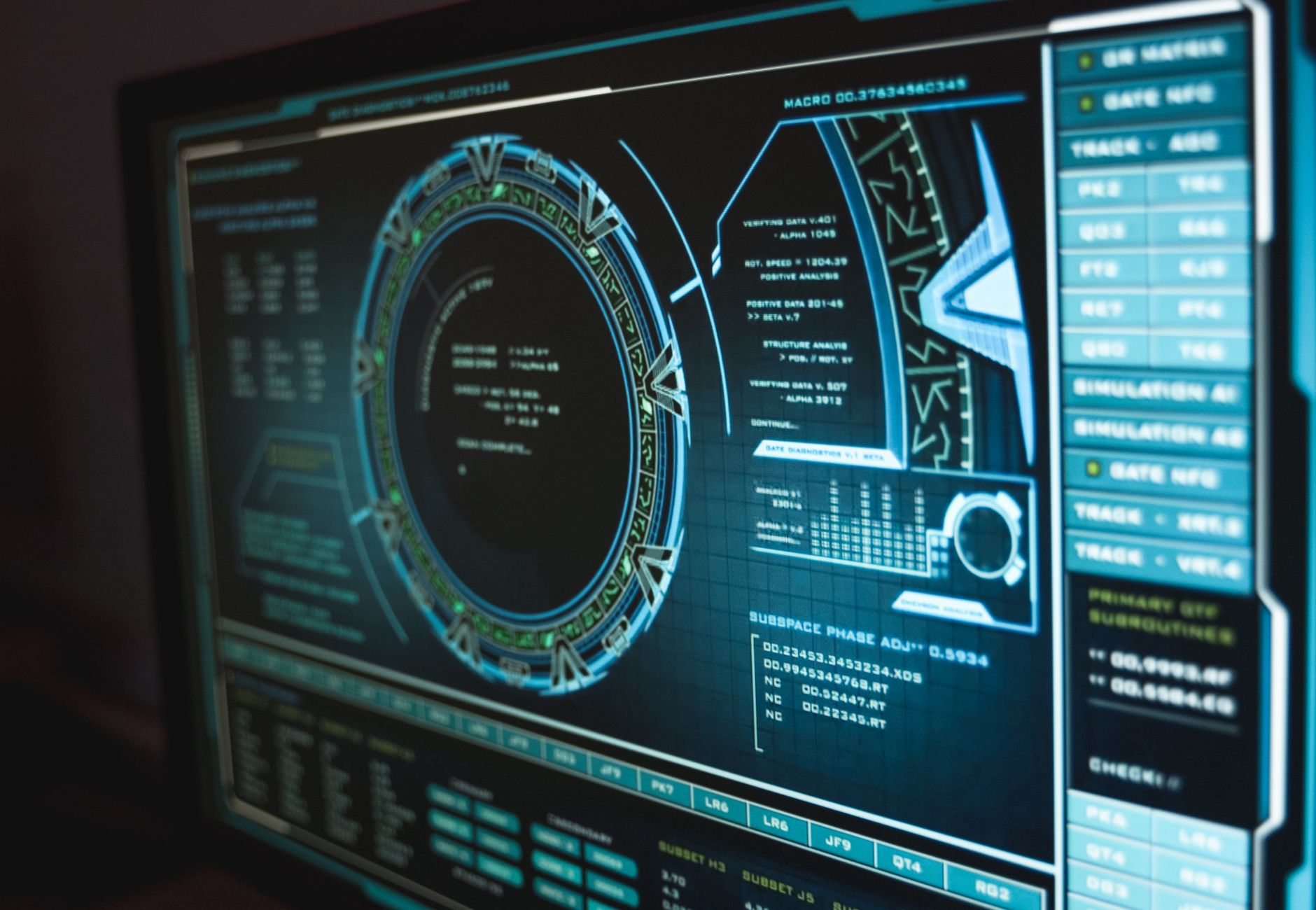 Photo by Tima Miroshnichenko on Pexels.
This is the counterfeit electronics problem, and the defense industrial base has been quietly wrestling with it for two decades.
The scale is harder to measure than most people realize. The Semiconductor Industry Association estimated that counterfeit components cost the global electronics industry over $75 billion annually. The Pentagon's own studies have flagged tens of thousands of suspect parts entering defense systems over a single multi-year audit window. And that's what got caught. Inspection regimes based on visual checks, X-ray, and electrical testing can verify a lot, but they can't verify provenance. You can confirm a chip behaves correctly under nominal conditions. You cannot confirm it came from the foundry it claims to come from.
The traditional response has been tighter procurement rules and approved vendor lists. DFARS 252.246-7008 exists for a reason. But approved vendor lists age poorly. Distributors get acquired. Gray market parts migrate upstream. A component that passes every incoming inspection can still carry a fraudulent lineage.
Here's the actual problem: the semiconductor supply chain has no native identity layer. A chip ships with a part number, a lot code, maybe a date code. None of that is cryptographically bound to the device itself. Any sophisticated counterfeiter can replicate the markings. The component has no way to prove what it is.
That gap is finally starting to close, and the approach gaining traction is hardware-rooted cryptographic attestation baked in at manufacture time.
The concept borrows from what the security world calls a Physical Unclonable Function, or PUF. Manufacturing variation at the transistor level produces tiny, measurable differences in electrical behavior from die to die. No two chips are identical at that resolution. A PUF circuit exploits those variations to generate a unique fingerprint that can't be cloned without physically replicating the exact same silicon with the same atomic-level imperfections. Statistically, that's impossible.
Combine a PUF with a small secure element and an asymmetric key pair provisioned at the fab, and you have a component that can cryptographically prove its own identity to any downstream system that asks. The private key never leaves the chip. The public key gets registered in a ledger tied to the original wafer lot. Verification becomes a software query, not a human inspection.
graph TD
    A[Wafer Fab] --> B(PUF + Key Provisioning)
    B --> C[Manufacturer Ledger Entry]
    C --> D{Distribution Chain}
    D --> E[Board Integration]
    E --> F(Attestation Query)
    F --> G{Verified or Flagged}
Several DARPA programs have pushed this direction, including work under the Supply Chain Hardware Integrity for Electronics Defense initiative. The goal isn't just catching fakes at the receiving dock. It's making the entire chain queryable at any point: fab, distributor, board assembly, depot maintenance, field replacement.
The hard part isn't the cryptography. The cryptography is solved. The hard part is getting fabs to adopt provisioning workflows at volume without slowing throughput, getting the key infrastructure built out so verification doesn't require calling a human at the original manufacturer, and retrofitting legacy programs where the components are already fielded and have no attestation capability whatsoever.
That last problem is genuinely thorny. A significant fraction of currently active defense platforms use components that were designed before any of this existed. Retrofit solutions exist: secure companion chips that bond to existing components and provide a proxy attestation layer. They're imperfect. A determined adversary who controls the supply chain deeply enough could compromise the companion chip too. But they raise the cost of attack substantially, which matters.
What's shifting now is the economics. Commercial interest in hardware attestation has exploded alongside the growth of confidential computing and zero-trust infrastructure. Google, Microsoft, and Amazon all have financial incentives to solve the same base problem for their data center supply chains. That commercial pull is funding chip IP, tooling, and ecosystem development that defense can adopt without paying full NRE.
For once, the dual-use vector runs in a useful direction. The commercial world wants attestable hardware for cloud security. Defense wants it to keep adversary silicon out of weapons systems. The underlying technology serves both. The bottleneck now is deployment velocity and the organizational willingness to treat supply chain integrity as a software problem with a cryptographic solution, not an inspection problem with a checklist solution.
Counterfeit components won't disappear. But a supply chain where every component carries cryptographic proof of origin is one where the attack surface shrinks from the entire global gray market to whoever can compromise a handful of heavily audited fab provisioning systems. That's a much more manageable threat.
Get Bits Atoms Brains in your inbox
New posts delivered directly. No spam.
No spam. Unsubscribe anytime.